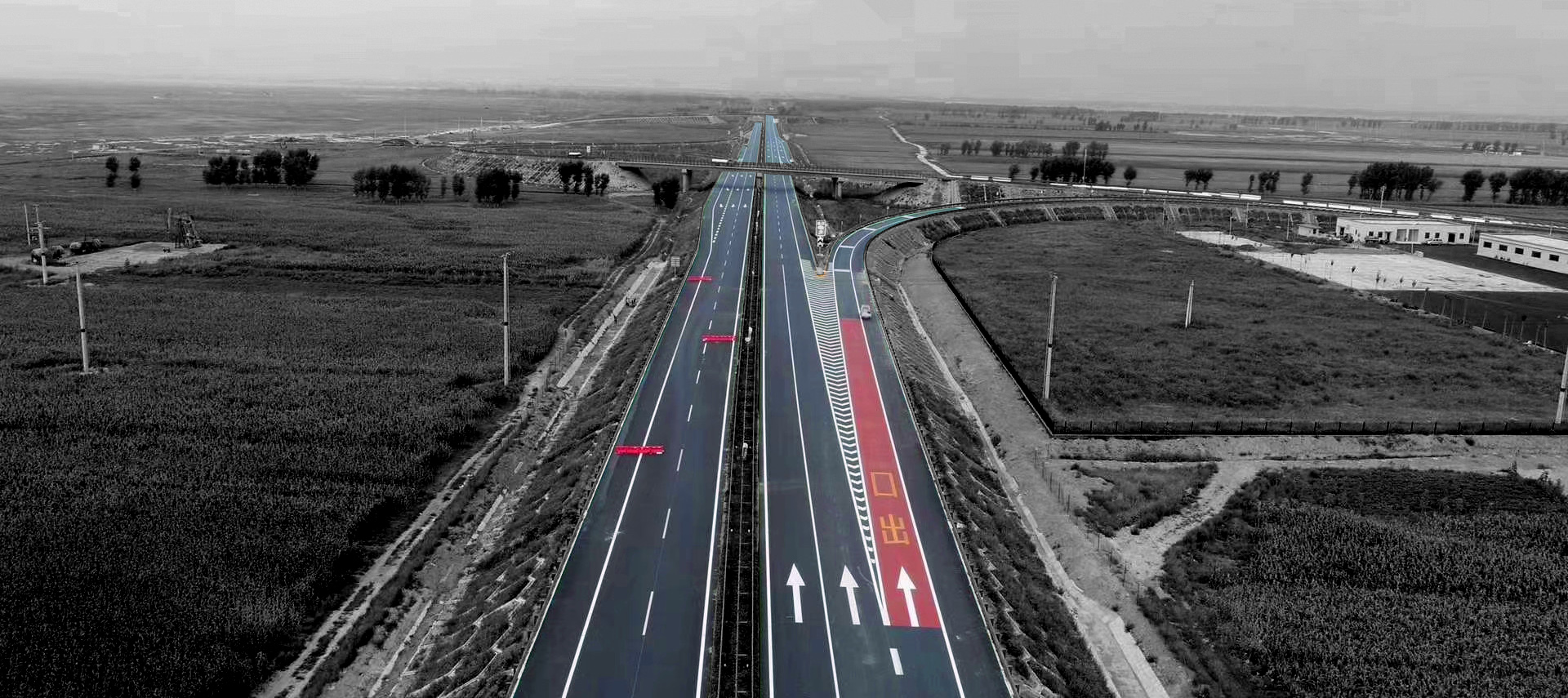
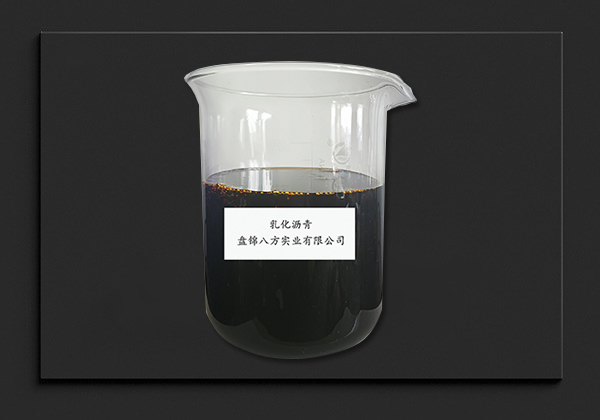
*Improving road quality: Emulsified asphalt can be used as a base coat oil, tack coat oil, slurry seal coat, ultra-thin wear layer, etc. During construction and spraying, the spreading amount can be precisely controlled, with good penetration effect and adhesion. The asphalt content of emulsified asphalt can be adjusted arbitrarily, mixed evenly, and the asphalt film thickness is very thin. In addition, due to the electric charge on the surface of emulsified asphalt, asphalt particles can be tightly adsorbed onto the surface of mineral aggregates. Emulsifiers also act as anti stripping agents, which can enhance the bonding between asphalt and stone materials. *Expanding the scope of asphalt use: With the continuous development of emulsified asphalt technology, there are many things that hot asphalt cannot achieve, which can be achieved with emulsified asphalt. *Energy saving: Emulsified asphalt production only requires one heating, which can save more than 50% of thermal energy compared to using hot asphalt for road construction.
*Material saving: Emulsified asphalt contains about 40% water, which is equivalent to diluting asphalt with water to a concentration of 60%. Therefore, the amount of asphalt used during construction can be accurately controlled; In addition, emulsified asphalt can form a very thin and uniform asphalt film on the surface of the mineral aggregate, ensuring sufficient structural asphalt between the mineral aggregates while reducing the free asphalt to a suitable level, thus significantly reducing the amount of asphalt used. On average, it saves 15% to 45% of asphalt materials.
*Environmental protection and safety: Emulsified asphalt does not require high temperature or prolonged heating during the production process, and only water evaporates at room temperature during the construction process, avoiding environmental pollution and scalding accidents caused by hot asphalt. Easy to use: Emulsified asphalt can be stored at room temperature for a long time, and does not require heating for spraying and mixing. Mineral materials can be used for construction in damp and low-temperature conditions, greatly facilitating production and construction.